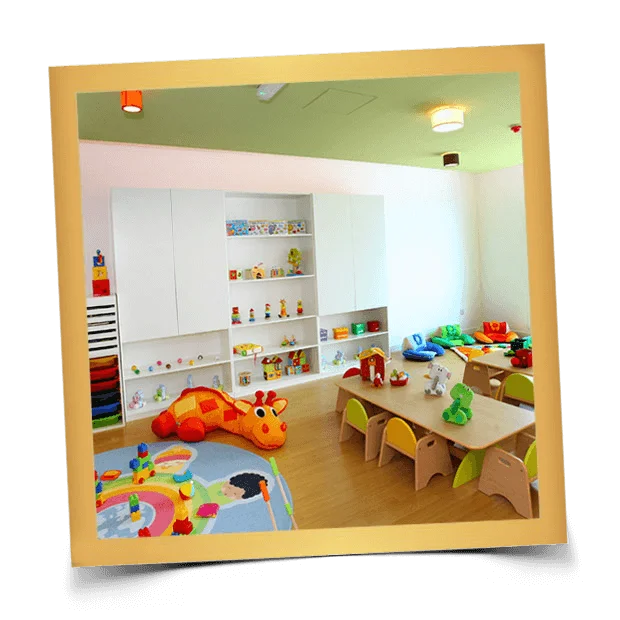
Why Kindergarten Is Really About Play, Not Pressure
Kindergarten marks an exciting chapter where children discover their abilities through everyday experiences. Play gives them freedom to express ideas and develop confidence. The best kindergarten in Dubai understands how joyful activities nurture creativity, social skills, and genuine interest in learning.
Play supports natural learning
Children learn through action, imagination, and repetition. A pretend shop introduces counting, while a puzzle encourages problem-solving and patience. Building towers teaches balance, shapes, and spatial awareness. Teachers use playful activities to introduce early academic ideas without making lessons feel like formal tests. Children gain knowledge while enjoying tasks that match their age and interests.
Creativity grows through imagination
Pretend play gives children freedom to invent stories, explore roles, and express ideas. A group of pupils may run an imaginary restaurant, build a pretend home, or act out a favourite story. Such activities encourage original thinking and flexible problem solving. Art, music, dress up games, and storytelling also help young learners express emotions and discover personal interests.
Social skills develop through group games
Play gives children daily opportunities to interact with classmates. Simple games teach sharing, turn taking, cooperation, and respect for different opinions. Children practise resolving small disagreements and communicating their feelings with support. Group activities also help shy pupils join conversations at a comfortable pace. These social experiences prepare young learners for friendships and future classroom routines.
Mistakes become useful discoveries
Pressure can make young children hesitate, while playful learning encourages experimentation. A tower that falls offers another chance to build. A puzzle with a missing piece invites fresh thinking. Teachers guide children through these moments with encouragement instead of criticism. Pupils gradually develop resilience, patience, and confidence in their own abilities.
Movement supports healthy development
Kindergarten play includes running, climbing, dancing, balancing, and handling small objects. Active games strengthen coordination, body control, and physical confidence. Activities such as drawing, threading beads, and using child friendly tools also develop fine motor skills. Regular movement supports concentration and gives young learners healthy opportunities to release energy throughout the school day.
A supportive kindergarten balances guided activities with plenty of free play. Parents should look at classroom routines, teacher interactions, outdoor spaces, and opportunities for creative exploration. Children deserve time to ask questions, make choices, and enjoy discoveries. A playful learning environment supports academic readiness while protecting the joy and freedom of early childhood.