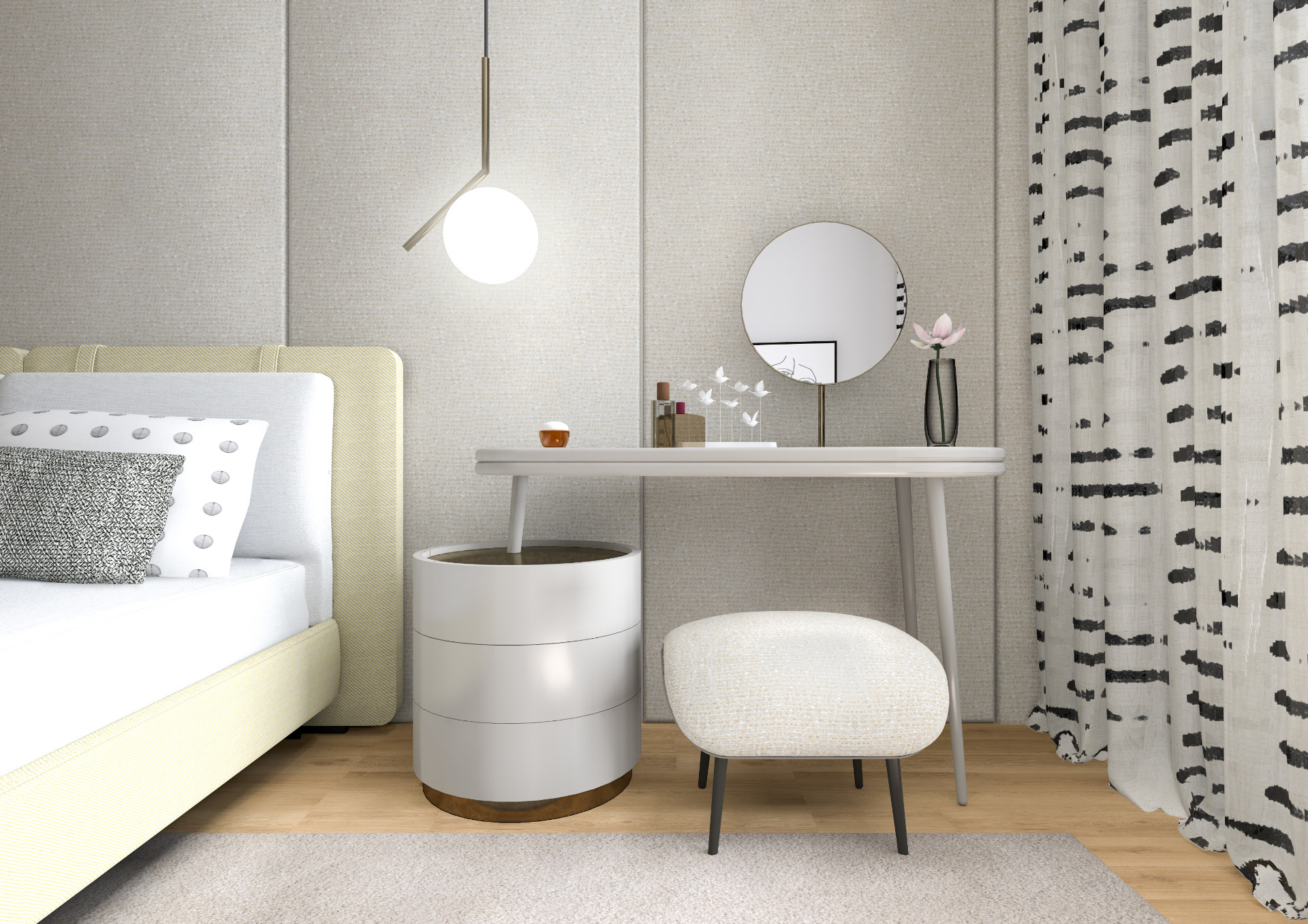
How A Luxury Interior Designer Sources Rare And Custom Pieces
What makes a luxury space truly unforgettable? Often, it is not the grand sofa or striking chandelier, but the rare pieces that feel impossible to find anywhere else. From one-of-a-kind furniture to handcrafted accents, sourcing these details requires creativity, expertise, and access to exceptional artisans.
But how do professionals uncover such distinctive treasures and bring them together? Here is the meticulous process behind the work of a luxury interior designer.
Discovering rare finds
Designers explore antique dealers, artisan studios, private collections, design fairs, and specialist showrooms to locate unusual pieces. They also maintain relationships with craftspeople who produce limited works. These contacts give designers access to items that rarely appear in regular retail spaces.
A rare piece must suit the overall interior. Designers study its proportions, finish, material, age, and visual character before selecting it. A vintage cabinet, for example, may add warmth to a modern room when its lines and finish suit the surrounding furniture.
Working with skilled artisans
Custom pieces start with a clear concept. Designers discuss dimensions, materials, finishes, textures, and practical details with skilled makers. Furniture makers, metalworkers, glass artists, stone specialists, and textile craftsmen turn these ideas into finished pieces.
Direct collaboration gives designers greater control over the final result. They review samples, drawings, material options, and prototypes before approving production.
Selecting exclusive materials
Luxury interiors call for materials with strong character. Designers source unusual marble, rare timber, hand finished metals, artisan fabrics, decorative glass, and specialty stone. Each material adds a distinct quality to the space. Sourcing also involves checking quality and origin. Designers inspect samples and compare finishes before making a selection. They also check durability so the piece performs well in daily use.
Balancing style and function
A custom item must look impressive while serving a practical purpose. Designers consider room size, movement, lighting, storage, comfort, and maintenance before approving a piece. For example, a custom dining table may feature an artistic base, but its height and seating capacity still have to suit daily use. This balance keeps luxury interiors practical and inviting.
Adding personal character
Rare and custom pieces give interiors a personal signature. Designers select objects that connect with the client’s taste, interests, and lifestyle. A handcrafted sculpture, custom headboard, or one of a kind console may become the focal point of a room. These details also give spaces a sense of exclusivity. Each selected piece supports the overall design while adding individuality.